Buy eventlocations.eu ?
We are moving the project
eventlocations.eu .
Are you interested in purchasing the domain
eventlocations.eu ?
domain@kv-gmbh.de · 0541-91531010
Buy eventlocations.eu ?
How does garden irrigation work?
Garden irrigation works by delivering water to plants through a system of pipes, hoses, or channels. This water is typically sourced from a water supply such as a well, reservoir, or municipal water system. The irrigation system can be set up to deliver water directly to the roots of plants through drip irrigation, or through sprinklers that distribute water over a larger area. By providing plants with a consistent and controlled water supply, garden irrigation helps to ensure healthy growth and optimal yields. **
How does the garden irrigation system work?
The garden irrigation system works by delivering water to the plants through a network of pipes, valves, and emitters. A water source, such as a hose or a dedicated irrigation line, is connected to the system. The water is then distributed to the plants through the emitters, which release water in controlled amounts. The system can be automated with a timer to ensure that the plants receive water at the right time and in the right amount, helping to conserve water and keep the garden healthy. **
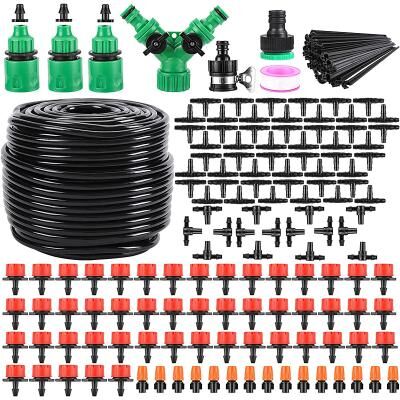

Similar search terms for Irrigation
Top-Angebote
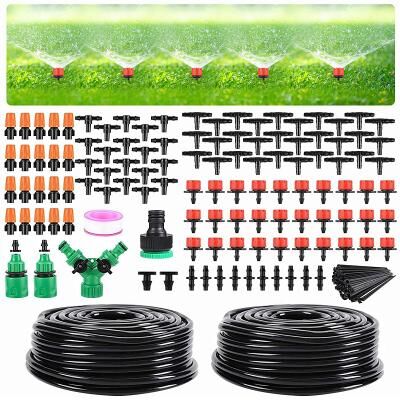
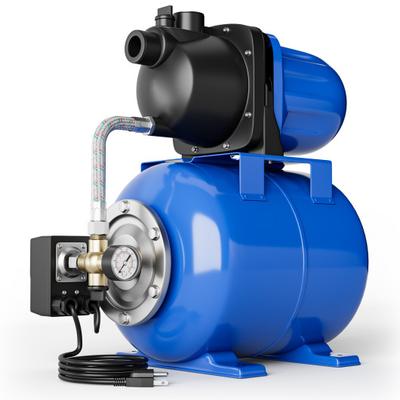
Products related to Irrigation:


-
How can one carry out proper garden irrigation?
Proper garden irrigation can be carried out by first determining the water needs of the plants in the garden. This can be done by considering the type of plants, soil type, and weather conditions. Once the water needs are determined, the appropriate irrigation system can be chosen, such as drip irrigation or soaker hoses, to deliver the right amount of water directly to the plants' roots. It's important to water the garden in the early morning or late afternoon to minimize water loss due to evaporation. Regularly monitoring the soil moisture and adjusting the irrigation schedule as needed will ensure that the garden receives the right amount of water for healthy plant growth. **
-
How high is the consumption for garden irrigation?
The consumption for garden irrigation can vary widely depending on factors such as the size of the garden, the types of plants being watered, and the climate of the region. However, on average, a typical garden irrigation system can use around 1-2 inches of water per week during the growing season. This can add up to several hundred gallons of water per week for larger gardens. It's important for gardeners to be mindful of their water usage and consider using water-efficient irrigation methods such as drip irrigation or rainwater harvesting. **
-
What experiences have you had with garden irrigation systems?
I have experience setting up and maintaining drip irrigation systems in my own garden. I find drip irrigation to be efficient and effective in delivering water directly to the roots of plants, reducing water waste. I have also used soaker hoses in larger garden areas to ensure even watering. Overall, I have found that using irrigation systems has helped me save time and water while keeping my plants healthy. **
-
How can one implement garden irrigation over long distances?
One way to implement garden irrigation over long distances is to use a drip irrigation system. This system uses a network of tubing and emitters to deliver water directly to the base of plants, minimizing water waste and evaporation. Another option is to use a soaker hose, which is a porous hose that allows water to seep out along its length. Both of these methods can be connected to a water source and laid out across a large garden area to ensure that all plants receive adequate water. Additionally, using a timer or automated system can help to regulate the watering schedule and ensure consistent coverage over long distances. **
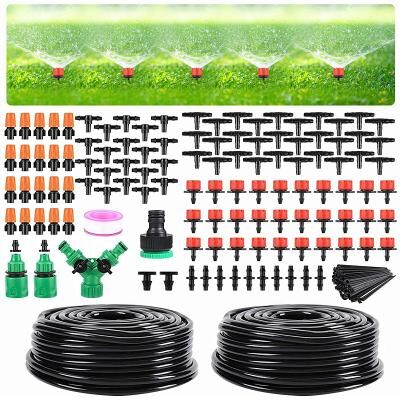

Is a permit required for a cistern for garden irrigation?
The requirement for a permit for a cistern for garden irrigation can vary depending on local regulations and building codes. In some areas, a permit may be required for the installation of a cistern, especially if it involves modifications to the property's water system or if it exceeds a certain size. It is important to check with the local building department or relevant authorities to determine if a permit is needed for installing a cistern for garden irrigation in a specific area. **
Is nasal irrigation dangerous?
Nasal irrigation, when done correctly with sterile saline solution, is generally safe and can provide relief for sinus congestion and allergies. However, if not done properly or with contaminated water, there is a risk of introducing harmful bacteria or fungi into the nasal passages, leading to infection. It is important to use only distilled or sterile water and to clean and dry the irrigation device thoroughly after each use to minimize the risk of complications. If done correctly, nasal irrigation can be a safe and effective way to maintain nasal health. **
Top-Angebote
Products related to Irrigation:
-
LightInthebox Garden Irrigation System 164FT 200 Pack Drip Irrigation Kit 1/4 Blank Distribution Tubing Watering Drip Kit Automatic Irrigation Equipment for Garden Greenhouse, Flower Bed,Patio,LawnShipping Weight:1.5; Net Weight:1.5; Listing Date:01/29/202345,99 $*Shipping: 25,59 $Secure redirect to the provider
-
LightInthebox 7.5 M Lawn Sprinkler Garden Automatic Mist Micro-Irrigation Watering Bucket Farm Irrigation Artificial Drip And Sprinkler System With Irrigation Hose, Capable Of Spraying Or DrippingMaterial:TPR; Product Dimensions:750; Net Weight:0.25; Listing Date:03/18/202624,49 $*Shipping: 11,27 $Secure redirect to the provider
-
How does garden irrigation work?
Garden irrigation works by delivering water to plants through a system of pipes, hoses, or channels. This water is typically sourced from a water supply such as a well, reservoir, or municipal water system. The irrigation system can be set up to deliver water directly to the roots of plants through drip irrigation, or through sprinklers that distribute water over a larger area. By providing plants with a consistent and controlled water supply, garden irrigation helps to ensure healthy growth and optimal yields. **
-
How does the garden irrigation system work?
The garden irrigation system works by delivering water to the plants through a network of pipes, valves, and emitters. A water source, such as a hose or a dedicated irrigation line, is connected to the system. The water is then distributed to the plants through the emitters, which release water in controlled amounts. The system can be automated with a timer to ensure that the plants receive water at the right time and in the right amount, helping to conserve water and keep the garden healthy. **
-
How can one carry out proper garden irrigation?
Proper garden irrigation can be carried out by first determining the water needs of the plants in the garden. This can be done by considering the type of plants, soil type, and weather conditions. Once the water needs are determined, the appropriate irrigation system can be chosen, such as drip irrigation or soaker hoses, to deliver the right amount of water directly to the plants' roots. It's important to water the garden in the early morning or late afternoon to minimize water loss due to evaporation. Regularly monitoring the soil moisture and adjusting the irrigation schedule as needed will ensure that the garden receives the right amount of water for healthy plant growth. **
-
How high is the consumption for garden irrigation?
The consumption for garden irrigation can vary widely depending on factors such as the size of the garden, the types of plants being watered, and the climate of the region. However, on average, a typical garden irrigation system can use around 1-2 inches of water per week during the growing season. This can add up to several hundred gallons of water per week for larger gardens. It's important for gardeners to be mindful of their water usage and consider using water-efficient irrigation methods such as drip irrigation or rainwater harvesting. **
Similar search terms for Irrigation
-
What experiences have you had with garden irrigation systems?
I have experience setting up and maintaining drip irrigation systems in my own garden. I find drip irrigation to be efficient and effective in delivering water directly to the roots of plants, reducing water waste. I have also used soaker hoses in larger garden areas to ensure even watering. Overall, I have found that using irrigation systems has helped me save time and water while keeping my plants healthy. **
-
How can one implement garden irrigation over long distances?
One way to implement garden irrigation over long distances is to use a drip irrigation system. This system uses a network of tubing and emitters to deliver water directly to the base of plants, minimizing water waste and evaporation. Another option is to use a soaker hose, which is a porous hose that allows water to seep out along its length. Both of these methods can be connected to a water source and laid out across a large garden area to ensure that all plants receive adequate water. Additionally, using a timer or automated system can help to regulate the watering schedule and ensure consistent coverage over long distances. **
-
Is a permit required for a cistern for garden irrigation?
The requirement for a permit for a cistern for garden irrigation can vary depending on local regulations and building codes. In some areas, a permit may be required for the installation of a cistern, especially if it involves modifications to the property's water system or if it exceeds a certain size. It is important to check with the local building department or relevant authorities to determine if a permit is needed for installing a cistern for garden irrigation in a specific area. **
-
Is nasal irrigation dangerous?
Nasal irrigation, when done correctly with sterile saline solution, is generally safe and can provide relief for sinus congestion and allergies. However, if not done properly or with contaminated water, there is a risk of introducing harmful bacteria or fungi into the nasal passages, leading to infection. It is important to use only distilled or sterile water and to clean and dry the irrigation device thoroughly after each use to minimize the risk of complications. If done correctly, nasal irrigation can be a safe and effective way to maintain nasal health. **
* All prices are inclusive of VAT and, if applicable, plus shipping costs. The offer information is based on the details provided by the respective shop and is updated through automated processes. Real-time updates do not occur, so deviations can occur in individual cases. ** Note: Parts of this content were created by AI.