Buy eventlocations.eu ?
We are moving the project
eventlocations.eu .
Are you interested in purchasing the domain
eventlocations.eu ?
domain@kv-gmbh.de · 0541-91531010
Buy eventlocations.eu ?
What is the difference between paper chromatography and gas chromatography?
Paper chromatography involves the separation of compounds based on their affinity to the stationary phase (paper), while gas chromatography separates compounds based on their volatility and interaction with the mobile phase (gas). In paper chromatography, the mobile phase is a liquid solvent, whereas in gas chromatography, the mobile phase is a gas. Gas chromatography is typically more sensitive and provides better resolution compared to paper chromatography, making it more suitable for analyzing complex mixtures of compounds. **
What happens during chromatography?
During chromatography, a mixture of substances is separated into its individual components based on their different affinities for a stationary phase and a mobile phase. The sample is applied to the stationary phase, and the mobile phase is passed through the stationary phase. As the mobile phase moves through the stationary phase, the components of the mixture will interact differently with the stationary phase, causing them to separate and move at different rates. This results in the components being eluted from the column at different times, allowing for their individual identification and quantification. **

Similar search terms for Chromatography
Top-Angebote
Products related to Chromatography:
-
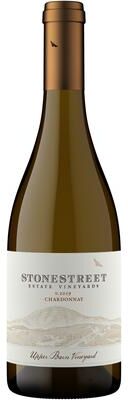
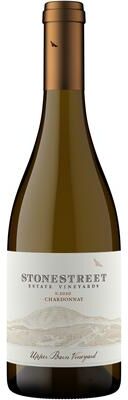
"""Stonestreet Upper Barn Vineyard Chardonnay 2020 White Wine - California""""""The texture of the 2020 Upper Barn Vineyard Chardonnay is both opulent and elegant with an acidic backbone and powerful structure that is consistent across the palate. Aromas of cantaloupe, honeycomb, and honeysuckle burst from the glass with..."168,99 $*Shipping: 0,00 $Secure redirect to the provider
-
Delta Children Moveable Mansion DollhouseThe Delta Children Moveable Mansion Dollhouse is designed to spark big, imaginative dreams. Standing over 3 feet tall and featuring three levels of play space, this wheeled dollhouse can move from room-to-room or effortlessly spin 360 degrees.183,49 $*Shipping: 0,00 $Secure redirect to the provider
-
I SPY Spooky Mansion GameCome inside and find your way. Collect the keys and win today!Explore a Spooky Halloween Mansion: Dive into an immersive I SPY adventure in a haunted 3D mansion, perfect for spooky-themed fun!Collect Keys & Solve Riddles: Engage in a thrilling quest...24,99 $*Shipping: 0,00 $Secure redirect to the provider
-
DWINGULER Castle PlaypenLet your children be the King or Queen of their castle! This playpen is perfect for the little ones that have a big imagination. Has a wide but light design to provide your kids with maximum safety and enough room to play.249,00 $*Shipping: 0,00 $Secure redirect to the provider



-
Is there a difference between chromatography and thin layer chromatography of amino acids?
Yes, there is a difference between chromatography and thin layer chromatography (TLC) of amino acids. Chromatography is a general term for a technique used to separate and analyze mixtures, while TLC is a specific type of chromatography that uses a thin layer of adsorbent material on a flat support to separate compounds. In the case of amino acids, both techniques can be used to separate and analyze the different amino acids present in a mixture, but TLC is a quicker and simpler method that is often used for preliminary analysis or for educational purposes. Traditional chromatography methods, such as high-performance liquid chromatography (HPLC), may offer higher resolution and sensitivity for more detailed analysis of amino acids. **
-
What is paper chromatography in chemistry?
Paper chromatography is a technique used in chemistry to separate and analyze mixtures of substances. It involves placing a small spot of the mixture on a strip of paper and then allowing a solvent to move up the paper through capillary action. As the solvent moves, it carries the different components of the mixture at different rates, causing them to separate based on their affinity for the paper and the solvent. This technique is commonly used in the identification of unknown substances and in the analysis of complex mixtures. **
-
What is the principle of chromatography and can you give an example of different chromatography methods?
Chromatography is a technique used to separate and analyze complex mixtures based on the differential interactions between the components of the mixture and a stationary phase. The principle of chromatography involves the sample being dissolved in a mobile phase and passed through a stationary phase, where the components of the sample interact differently with the stationary phase, causing them to separate. There are several types of chromatography methods, including gas chromatography (GC), liquid chromatography (LC), and high-performance liquid chromatography (HPLC). In gas chromatography, the mobile phase is a gas, while in liquid chromatography, the mobile phase is a liquid. High-performance liquid chromatography is a more advanced form of liquid chromatography that uses high pressure to separate components more efficiently. **
-
What is the principle of chromatography and can you provide an example of different chromatography methods?
Chromatography is a technique used to separate and analyze complex mixtures based on the differential interactions between the components of the mixture and a stationary phase. The principle of chromatography involves the sample being dissolved in a mobile phase and passed through a stationary phase. The components of the sample interact differently with the stationary phase, causing them to separate based on their affinity for the stationary phase. There are various types of chromatography methods, including gas chromatography (GC), liquid chromatography (LC), and high-performance liquid chromatography (HPLC). In gas chromatography, the mobile phase is a gas, while in liquid chromatography, the mobile phase is a liquid. HPLC is a more advanced form of liquid chromatography that uses high pressure to separate components more efficiently. **


How can one explain chromatography in kindergarten?
Chromatography can be explained in kindergarten by using simple language and visuals. One way to explain it is by comparing it to how colors separate when they mix in water. Children can be shown how different colors in markers or food coloring separate and spread out on a paper strip when placed in water. This can help them understand that chromatography is a process that separates different colors or substances based on how fast they move through a material. Overall, using hands-on activities and simple explanations can make chromatography understandable and engaging for kindergarteners. **
What is chromatography and how does it work?
Chromatography is a technique used to separate and analyze mixtures of substances based on their different properties. It works by passing a mixture through a stationary phase, which can be a solid or liquid, and a mobile phase, which carries the mixture through the stationary phase. The components of the mixture interact differently with the stationary phase, causing them to move at different rates and separate from each other. This allows for the identification and quantification of the individual components in the mixture. **
Top-Angebote
Products related to Chromatography:
-
Darrington Press Solar Gardens - Rooftop Garden Board Game - For 2-5 PlayersBuild a beautiful rooftop garden in this light-hearted tile-drafting board game from Darrington Press. Designed for 2–5 players, the game offers an engaging tabletop experience for family game nights and groups who enjoy accessible strategy, tile placement, and thoughtful competition. The clean environmental theme gives every garden a distinctive character while encouraging players to balance practical decisions with visual imagination.35,98 £*Shipping: 3,95 £Secure redirect to the provider
-
"""Stonestreet Upper Barn Vineyard Chardonnay 2019 White Wine - California""""""The Upper Barn Vineyard produces our most transporting Chardonnay, delivering a truly unique wine that can only be crafted from this site 1,800ft up the mountain. The stars continue to align as this vineyard continues to produce wines with density..."172,99 $*Shipping: 0,00 $Secure redirect to the provider
-
"""Stonestreet Upper Barn Vineyard Chardonnay 2020 White Wine - California""""""The texture of the 2020 Upper Barn Vineyard Chardonnay is both opulent and elegant with an acidic backbone and powerful structure that is consistent across the palate. Aromas of cantaloupe, honeycomb, and honeysuckle burst from the glass with..."168,99 $*Shipping: 0,00 $Secure redirect to the provider
-
Delta Children Moveable Mansion DollhouseThe Delta Children Moveable Mansion Dollhouse is designed to spark big, imaginative dreams. Standing over 3 feet tall and featuring three levels of play space, this wheeled dollhouse can move from room-to-room or effortlessly spin 360 degrees.183,49 $*Shipping: 0,00 $Secure redirect to the provider
-
What is the difference between paper chromatography and gas chromatography?
Paper chromatography involves the separation of compounds based on their affinity to the stationary phase (paper), while gas chromatography separates compounds based on their volatility and interaction with the mobile phase (gas). In paper chromatography, the mobile phase is a liquid solvent, whereas in gas chromatography, the mobile phase is a gas. Gas chromatography is typically more sensitive and provides better resolution compared to paper chromatography, making it more suitable for analyzing complex mixtures of compounds. **
-
What happens during chromatography?
During chromatography, a mixture of substances is separated into its individual components based on their different affinities for a stationary phase and a mobile phase. The sample is applied to the stationary phase, and the mobile phase is passed through the stationary phase. As the mobile phase moves through the stationary phase, the components of the mixture will interact differently with the stationary phase, causing them to separate and move at different rates. This results in the components being eluted from the column at different times, allowing for their individual identification and quantification. **
-
Is there a difference between chromatography and thin layer chromatography of amino acids?
Yes, there is a difference between chromatography and thin layer chromatography (TLC) of amino acids. Chromatography is a general term for a technique used to separate and analyze mixtures, while TLC is a specific type of chromatography that uses a thin layer of adsorbent material on a flat support to separate compounds. In the case of amino acids, both techniques can be used to separate and analyze the different amino acids present in a mixture, but TLC is a quicker and simpler method that is often used for preliminary analysis or for educational purposes. Traditional chromatography methods, such as high-performance liquid chromatography (HPLC), may offer higher resolution and sensitivity for more detailed analysis of amino acids. **
-
What is paper chromatography in chemistry?
Paper chromatography is a technique used in chemistry to separate and analyze mixtures of substances. It involves placing a small spot of the mixture on a strip of paper and then allowing a solvent to move up the paper through capillary action. As the solvent moves, it carries the different components of the mixture at different rates, causing them to separate based on their affinity for the paper and the solvent. This technique is commonly used in the identification of unknown substances and in the analysis of complex mixtures. **
Similar search terms for Chromatography
-
I SPY Spooky Mansion GameCome inside and find your way. Collect the keys and win today!Explore a Spooky Halloween Mansion: Dive into an immersive I SPY adventure in a haunted 3D mansion, perfect for spooky-themed fun!Collect Keys & Solve Riddles: Engage in a thrilling quest...24,99 $*Shipping: 0,00 $Secure redirect to the provider
-
DWINGULER Castle PlaypenLet your children be the King or Queen of their castle! This playpen is perfect for the little ones that have a big imagination. Has a wide but light design to provide your kids with maximum safety and enough room to play.249,00 $*Shipping: 0,00 $Secure redirect to the provider
-
"""Goldschmidt Vineyard""" """Goldschmidt Vineyard Forefathers Lone Tree Vineyard Cabernet Sauvignon 2022 Red Wine - California""""""Being dry farmed, the berries are tiny and hence this wine is a deep ruby/garnet color. Aromas are striking. Ripe blackberry and dark plum, but with a little dark cherry-like fruit with a matching component of toasty French Oak. A lovely palate..."50,99 $*Shipping: 0,00 $Secure redirect to the provider
-
What is the principle of chromatography and can you give an example of different chromatography methods?
Chromatography is a technique used to separate and analyze complex mixtures based on the differential interactions between the components of the mixture and a stationary phase. The principle of chromatography involves the sample being dissolved in a mobile phase and passed through a stationary phase, where the components of the sample interact differently with the stationary phase, causing them to separate. There are several types of chromatography methods, including gas chromatography (GC), liquid chromatography (LC), and high-performance liquid chromatography (HPLC). In gas chromatography, the mobile phase is a gas, while in liquid chromatography, the mobile phase is a liquid. High-performance liquid chromatography is a more advanced form of liquid chromatography that uses high pressure to separate components more efficiently. **
-
What is the principle of chromatography and can you provide an example of different chromatography methods?
Chromatography is a technique used to separate and analyze complex mixtures based on the differential interactions between the components of the mixture and a stationary phase. The principle of chromatography involves the sample being dissolved in a mobile phase and passed through a stationary phase. The components of the sample interact differently with the stationary phase, causing them to separate based on their affinity for the stationary phase. There are various types of chromatography methods, including gas chromatography (GC), liquid chromatography (LC), and high-performance liquid chromatography (HPLC). In gas chromatography, the mobile phase is a gas, while in liquid chromatography, the mobile phase is a liquid. HPLC is a more advanced form of liquid chromatography that uses high pressure to separate components more efficiently. **
-
How can one explain chromatography in kindergarten?
Chromatography can be explained in kindergarten by using simple language and visuals. One way to explain it is by comparing it to how colors separate when they mix in water. Children can be shown how different colors in markers or food coloring separate and spread out on a paper strip when placed in water. This can help them understand that chromatography is a process that separates different colors or substances based on how fast they move through a material. Overall, using hands-on activities and simple explanations can make chromatography understandable and engaging for kindergarteners. **
-
What is chromatography and how does it work?
Chromatography is a technique used to separate and analyze mixtures of substances based on their different properties. It works by passing a mixture through a stationary phase, which can be a solid or liquid, and a mobile phase, which carries the mixture through the stationary phase. The components of the mixture interact differently with the stationary phase, causing them to move at different rates and separate from each other. This allows for the identification and quantification of the individual components in the mixture. **
* All prices are inclusive of VAT and, if applicable, plus shipping costs. The offer information is based on the details provided by the respective shop and is updated through automated processes. Real-time updates do not occur, so deviations can occur in individual cases. ** Note: Parts of this content were created by AI.