Buy eventlocations.eu ?
We are moving the project
eventlocations.eu .
Are you interested in purchasing the domain
eventlocations.eu ?
domain@kv-gmbh.de · 0541-91531010
Buy eventlocations.eu ?
Which tenses exist in Swiss German that only have two tenses?
In Swiss German, there are two tenses that only have two forms: the present tense and the past tense. The present tense is used to talk about actions happening in the present, while the past tense is used to talk about actions that have already happened. Unlike in Standard German, there is no distinction between the simple past and the present perfect tense in Swiss German. **
Which tenses are related?
The tenses that are related in English are the simple present, simple past, and simple future tenses. These tenses are the basic forms of verb conjugation and are used to express actions or states that occur in the present, past, or future respectively. They are often used as building blocks for more complex tenses and can be combined with auxiliary verbs to convey different shades of meaning. Understanding the relationship between these tenses is essential for mastering English grammar. **

Similar search terms for Tenses
Top-Angebote
Products related to Tenses:
-
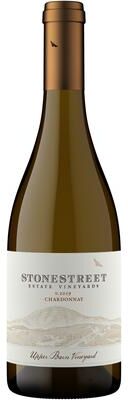
"""Stonestreet Upper Barn Vineyard Chardonnay 2020 White Wine - California""""""The texture of the 2020 Upper Barn Vineyard Chardonnay is both opulent and elegant with an acidic backbone and powerful structure that is consistent across the palate. Aromas of cantaloupe, honeycomb, and honeysuckle burst from the glass with..."168,99 $*Shipping: 0,00 $Secure redirect to the provider
-
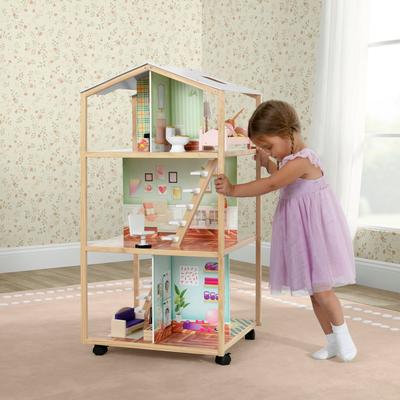
Delta Children Moveable Mansion DollhouseThe Delta Children Moveable Mansion Dollhouse is designed to spark big, imaginative dreams. Standing over 3 feet tall and featuring three levels of play space, this wheeled dollhouse can move from room-to-room or effortlessly spin 360 degrees.183,49 $*Shipping: 0,00 $Secure redirect to the provider
-
I SPY Spooky Mansion GameCome inside and find your way. Collect the keys and win today!Explore a Spooky Halloween Mansion: Dive into an immersive I SPY adventure in a haunted 3D mansion, perfect for spooky-themed fun!Collect Keys & Solve Riddles: Engage in a thrilling quest...24,99 $*Shipping: 0,00 $Secure redirect to the provider
-
DWINGULER Castle PlaypenLet your children be the King or Queen of their castle! This playpen is perfect for the little ones that have a big imagination. Has a wide but light design to provide your kids with maximum safety and enough room to play.249,00 $*Shipping: 0,00 $Secure redirect to the provider


-
Which tenses are there in Swiss German that only have two tenses?
In Swiss German, there are two tenses that only have two forms: present and past. The present tense is used to describe actions happening in the present moment, while the past tense is used to talk about actions that have already occurred. These two tenses are commonly used in everyday conversations in Swiss German. **
-
Which tenses are there in Swiss German that have only two tenses?
In Swiss German, there are two tenses that have only two forms: the present tense and the past tense. The present tense is used to describe actions happening in the present moment, while the past tense is used to talk about actions that have already happened. Unlike Standard German, Swiss German does not have a separate future tense, so speakers use the present tense or auxiliary verbs to indicate future actions. **
-
Which tenses exist in Swiss German where there are only two tenses?
In Swiss German, the two tenses that exist are the present tense and the past tense. The present tense is used to describe actions that are currently happening or habitual actions, while the past tense is used to talk about actions that have already occurred. Swiss German does not have a separate future tense, as the present tense can also be used to express future actions. **
-
What are the English tenses?
The English language has 12 tenses, which are divided into three main categories: past, present, and future. Each category has four tenses: simple, continuous, perfect, and perfect continuous. The simple tenses refer to actions that are completed at a specific time, the continuous tenses refer to actions that are ongoing or in progress, the perfect tenses refer to actions that are completed before a specific time, and the perfect continuous tenses refer to actions that started in the past and are still ongoing. Understanding these tenses is essential for effective communication in English. **


What are the French tenses?
The French language has several tenses, including the present, past, and future tenses. The present tense is used to talk about actions happening in the present or habitual actions. The past tense is used to talk about completed actions in the past, and it has several forms such as the passé composé and the imparfait. The future tense is used to talk about actions that will happen in the future. Additionally, French has other tenses such as the conditional and the subjunctive, which are used to express hypothetical or uncertain actions. **
Which tenses must one use?
One must use a variety of tenses in order to accurately convey different points in time and actions. The choice of tense depends on the specific context and the relationship between different events. For example, the present tense is used for current actions or general truths, the past tense is used for completed actions or events, and the future tense is used for actions that will happen at a later time. Additionally, the perfect tenses are used to show actions that are completed or ongoing at a specific point in time. Overall, the selection of tenses is crucial for effectively communicating the timing and sequence of events. **
Top-Angebote
Products related to Tenses:
-
Darrington Press Solar Gardens - Rooftop Garden Board Game - For 2-5 PlayersBuild a beautiful rooftop garden in this light-hearted tile-drafting board game from Darrington Press. Designed for 2–5 players, the game offers an engaging tabletop experience for family game nights and groups who enjoy accessible strategy, tile placement, and thoughtful competition. The clean environmental theme gives every garden a distinctive character while encouraging players to balance practical decisions with visual imagination.35,98 £*Shipping: 3,95 £Secure redirect to the provider
-
"""Stonestreet Upper Barn Vineyard Chardonnay 2019 White Wine - California""""""The Upper Barn Vineyard produces our most transporting Chardonnay, delivering a truly unique wine that can only be crafted from this site 1,800ft up the mountain. The stars continue to align as this vineyard continues to produce wines with density..."172,99 $*Shipping: 0,00 $Secure redirect to the provider
-
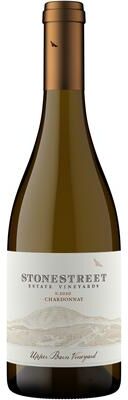
"""Stonestreet Upper Barn Vineyard Chardonnay 2020 White Wine - California""""""The texture of the 2020 Upper Barn Vineyard Chardonnay is both opulent and elegant with an acidic backbone and powerful structure that is consistent across the palate. Aromas of cantaloupe, honeycomb, and honeysuckle burst from the glass with..."168,99 $*Shipping: 0,00 $Secure redirect to the provider
-
Delta Children Moveable Mansion DollhouseThe Delta Children Moveable Mansion Dollhouse is designed to spark big, imaginative dreams. Standing over 3 feet tall and featuring three levels of play space, this wheeled dollhouse can move from room-to-room or effortlessly spin 360 degrees.183,49 $*Shipping: 0,00 $Secure redirect to the provider
-
Which tenses exist in Swiss German that only have two tenses?
In Swiss German, there are two tenses that only have two forms: the present tense and the past tense. The present tense is used to talk about actions happening in the present, while the past tense is used to talk about actions that have already happened. Unlike in Standard German, there is no distinction between the simple past and the present perfect tense in Swiss German. **
-
Which tenses are related?
The tenses that are related in English are the simple present, simple past, and simple future tenses. These tenses are the basic forms of verb conjugation and are used to express actions or states that occur in the present, past, or future respectively. They are often used as building blocks for more complex tenses and can be combined with auxiliary verbs to convey different shades of meaning. Understanding the relationship between these tenses is essential for mastering English grammar. **
-
Which tenses are there in Swiss German that only have two tenses?
In Swiss German, there are two tenses that only have two forms: present and past. The present tense is used to describe actions happening in the present moment, while the past tense is used to talk about actions that have already occurred. These two tenses are commonly used in everyday conversations in Swiss German. **
-
Which tenses are there in Swiss German that have only two tenses?
In Swiss German, there are two tenses that have only two forms: the present tense and the past tense. The present tense is used to describe actions happening in the present moment, while the past tense is used to talk about actions that have already happened. Unlike Standard German, Swiss German does not have a separate future tense, so speakers use the present tense or auxiliary verbs to indicate future actions. **
Similar search terms for Tenses
-
I SPY Spooky Mansion GameCome inside and find your way. Collect the keys and win today!Explore a Spooky Halloween Mansion: Dive into an immersive I SPY adventure in a haunted 3D mansion, perfect for spooky-themed fun!Collect Keys & Solve Riddles: Engage in a thrilling quest...24,99 $*Shipping: 0,00 $Secure redirect to the provider
-
DWINGULER Castle PlaypenLet your children be the King or Queen of their castle! This playpen is perfect for the little ones that have a big imagination. Has a wide but light design to provide your kids with maximum safety and enough room to play.249,00 $*Shipping: 0,00 $Secure redirect to the provider
-
"""Goldschmidt Vineyard""" """Goldschmidt Vineyard Forefathers Lone Tree Vineyard Cabernet Sauvignon 2022 Red Wine - California""""""Being dry farmed, the berries are tiny and hence this wine is a deep ruby/garnet color. Aromas are striking. Ripe blackberry and dark plum, but with a little dark cherry-like fruit with a matching component of toasty French Oak. A lovely palate..."50,99 $*Shipping: 0,00 $Secure redirect to the provider
-
Which tenses exist in Swiss German where there are only two tenses?
In Swiss German, the two tenses that exist are the present tense and the past tense. The present tense is used to describe actions that are currently happening or habitual actions, while the past tense is used to talk about actions that have already occurred. Swiss German does not have a separate future tense, as the present tense can also be used to express future actions. **
-
What are the English tenses?
The English language has 12 tenses, which are divided into three main categories: past, present, and future. Each category has four tenses: simple, continuous, perfect, and perfect continuous. The simple tenses refer to actions that are completed at a specific time, the continuous tenses refer to actions that are ongoing or in progress, the perfect tenses refer to actions that are completed before a specific time, and the perfect continuous tenses refer to actions that started in the past and are still ongoing. Understanding these tenses is essential for effective communication in English. **
-
What are the French tenses?
The French language has several tenses, including the present, past, and future tenses. The present tense is used to talk about actions happening in the present or habitual actions. The past tense is used to talk about completed actions in the past, and it has several forms such as the passé composé and the imparfait. The future tense is used to talk about actions that will happen in the future. Additionally, French has other tenses such as the conditional and the subjunctive, which are used to express hypothetical or uncertain actions. **
-
Which tenses must one use?
One must use a variety of tenses in order to accurately convey different points in time and actions. The choice of tense depends on the specific context and the relationship between different events. For example, the present tense is used for current actions or general truths, the past tense is used for completed actions or events, and the future tense is used for actions that will happen at a later time. Additionally, the perfect tenses are used to show actions that are completed or ongoing at a specific point in time. Overall, the selection of tenses is crucial for effectively communicating the timing and sequence of events. **
* All prices are inclusive of VAT and, if applicable, plus shipping costs. The offer information is based on the details provided by the respective shop and is updated through automated processes. Real-time updates do not occur, so deviations can occur in individual cases. ** Note: Parts of this content were created by AI.