Buy eventlocations.eu ?
We are moving the project
eventlocations.eu .
Are you interested in purchasing the domain
eventlocations.eu ?
domain@kv-gmbh.de · 0541-91531010
Buy eventlocations.eu ?
How do you transform an object clause or a subject clause into a dependent clause (subordinate clause)?
To transform an object clause or a subject clause into a dependent clause, you can add a subordinating conjunction at the beginning of the clause. For example, changing "I know that he is coming" (object clause) to "I know when he is coming" (dependent clause). Another way is to remove the subject or object pronoun and change the verb form to make it dependent on the main clause. For instance, changing "She believes she can win" (subject clause) to "She believes she can win" (dependent clause). **
Is an infinitive clause a subordinate clause?
Yes, an infinitive clause is a type of subordinate clause. It functions as a single unit within a sentence and is dependent on the main clause for its meaning. Infinitive clauses typically begin with the word "to" followed by a verb, and they can serve various purposes such as expressing purpose, result, or obligation. **


Similar search terms for Clause
Top-Angebote
Products related to Clause:
-
"""Stonestreet Upper Barn Vineyard Chardonnay 2020 White Wine - California""""""The texture of the 2020 Upper Barn Vineyard Chardonnay is both opulent and elegant with an acidic backbone and powerful structure that is consistent across the palate. Aromas of cantaloupe, honeycomb, and honeysuckle burst from the glass with..."168,99 $*Shipping: 0,00 $Secure redirect to the provider
-
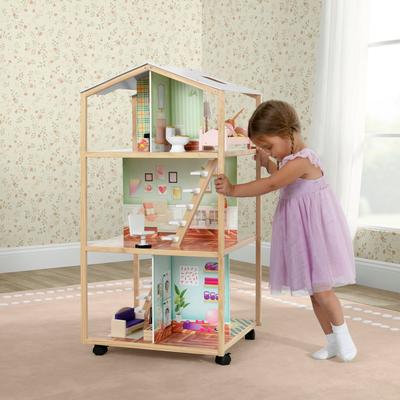
Delta Children Moveable Mansion DollhouseThe Delta Children Moveable Mansion Dollhouse is designed to spark big, imaginative dreams. Standing over 3 feet tall and featuring three levels of play space, this wheeled dollhouse can move from room-to-room or effortlessly spin 360 degrees.183,49 $*Shipping: 0,00 $Secure redirect to the provider
-
I SPY Spooky Mansion GameCome inside and find your way. Collect the keys and win today!Explore a Spooky Halloween Mansion: Dive into an immersive I SPY adventure in a haunted 3D mansion, perfect for spooky-themed fun!Collect Keys & Solve Riddles: Engage in a thrilling quest...24,99 $*Shipping: 0,00 $Secure redirect to the provider
-
DWINGULER Castle PlaypenLet your children be the King or Queen of their castle! This playpen is perfect for the little ones that have a big imagination. Has a wide but light design to provide your kids with maximum safety and enough room to play.249,00 $*Shipping: 0,00 $Secure redirect to the provider



-
What are main clause-subordinate clause constructions?
Main clause-subordinate clause constructions are sentences that consist of a main clause and one or more subordinate clauses. The main clause is a complete sentence that can stand alone, while the subordinate clause depends on the main clause for its meaning and cannot stand alone. Subordinate clauses often begin with subordinating conjunctions such as "because," "although," "if," or "when," and they provide additional information or context to the main clause. These constructions allow for more complex and nuanced sentence structures, and they are commonly used in both spoken and written language. **
-
Can an adverbial clause also be a subject clause or an object clause?
No, an adverbial clause cannot be a subject clause or an object clause. An adverbial clause functions as an adverb to modify a verb, adjective, or adverb in a sentence. Subject clauses and object clauses, on the other hand, serve as the subject or object of the main clause, respectively. Each type of clause has a specific grammatical function within a sentence. **
-
Is the main clause and subordinate clause correct?
To determine if the main clause and subordinate clause are correct, you need to ensure that they are grammatically sound and that they make sense when combined. The main clause should be able to stand alone as a complete sentence, while the subordinate clause provides additional information but cannot stand alone. Checking for subject-verb agreement and proper punctuation between the two clauses can help confirm their correctness. **
-
How do I recognize a relative clause, a conjunctional clause, and an interrogative clause?
A relative clause typically starts with a relative pronoun (such as who, whom, whose, which, or that) and provides more information about a noun in the main clause. A conjunctional clause, on the other hand, is introduced by a conjunction (such as and, but, or because) and connects two independent clauses. An interrogative clause is a type of clause that asks a question and is typically introduced by an interrogative pronoun (such as who, what, when, where, why, or how) or an interrogative adverb (such as how, when, or where). **


How can I recognize a relative clause, a conjunctional clause, and an interrogative clause?
A relative clause is a type of dependent clause that typically starts with a relative pronoun (such as who, whom, whose, which, or that) and provides additional information about a noun in the main clause. A conjunctional clause, on the other hand, is a dependent clause that functions as an adverb, adjective, or noun in a sentence and is connected to the main clause by a conjunction (such as because, although, if, when, etc.). An interrogative clause is a type of clause that asks a question and typically begins with a question word (such as who, what, where, when, why, or how) or with a helping verb followed by the subject. **
Is the accompanying clause in direct speech a main clause or a subordinate clause?
The accompanying clause in direct speech can be either a main clause or a subordinate clause, depending on its role in the sentence. If the clause is expressing a complete thought and can stand alone as a sentence, then it is a main clause. However, if the clause is dependent on the rest of the sentence for its meaning and cannot stand alone, then it is a subordinate clause. It's important to consider the context and structure of the sentence to determine the role of the accompanying clause in direct speech. **
Top-Angebote
Products related to Clause:
-
Darrington Press Solar Gardens - Rooftop Garden Board Game - For 2-5 PlayersBuild a beautiful rooftop garden in this light-hearted tile-drafting board game from Darrington Press. Designed for 2–5 players, the game offers an engaging tabletop experience for family game nights and groups who enjoy accessible strategy, tile placement, and thoughtful competition. The clean environmental theme gives every garden a distinctive character while encouraging players to balance practical decisions with visual imagination.35,98 £*Shipping: 3,95 £Secure redirect to the provider
-
"""Stonestreet Upper Barn Vineyard Chardonnay 2019 White Wine - California""""""The Upper Barn Vineyard produces our most transporting Chardonnay, delivering a truly unique wine that can only be crafted from this site 1,800ft up the mountain. The stars continue to align as this vineyard continues to produce wines with density..."172,99 $*Shipping: 0,00 $Secure redirect to the provider
-
"""Stonestreet Upper Barn Vineyard Chardonnay 2020 White Wine - California""""""The texture of the 2020 Upper Barn Vineyard Chardonnay is both opulent and elegant with an acidic backbone and powerful structure that is consistent across the palate. Aromas of cantaloupe, honeycomb, and honeysuckle burst from the glass with..."168,99 $*Shipping: 0,00 $Secure redirect to the provider
-
Delta Children Moveable Mansion DollhouseThe Delta Children Moveable Mansion Dollhouse is designed to spark big, imaginative dreams. Standing over 3 feet tall and featuring three levels of play space, this wheeled dollhouse can move from room-to-room or effortlessly spin 360 degrees.183,49 $*Shipping: 0,00 $Secure redirect to the provider
-
How do you transform an object clause or a subject clause into a dependent clause (subordinate clause)?
To transform an object clause or a subject clause into a dependent clause, you can add a subordinating conjunction at the beginning of the clause. For example, changing "I know that he is coming" (object clause) to "I know when he is coming" (dependent clause). Another way is to remove the subject or object pronoun and change the verb form to make it dependent on the main clause. For instance, changing "She believes she can win" (subject clause) to "She believes she can win" (dependent clause). **
-
Is an infinitive clause a subordinate clause?
Yes, an infinitive clause is a type of subordinate clause. It functions as a single unit within a sentence and is dependent on the main clause for its meaning. Infinitive clauses typically begin with the word "to" followed by a verb, and they can serve various purposes such as expressing purpose, result, or obligation. **
-
What are main clause-subordinate clause constructions?
Main clause-subordinate clause constructions are sentences that consist of a main clause and one or more subordinate clauses. The main clause is a complete sentence that can stand alone, while the subordinate clause depends on the main clause for its meaning and cannot stand alone. Subordinate clauses often begin with subordinating conjunctions such as "because," "although," "if," or "when," and they provide additional information or context to the main clause. These constructions allow for more complex and nuanced sentence structures, and they are commonly used in both spoken and written language. **
-
Can an adverbial clause also be a subject clause or an object clause?
No, an adverbial clause cannot be a subject clause or an object clause. An adverbial clause functions as an adverb to modify a verb, adjective, or adverb in a sentence. Subject clauses and object clauses, on the other hand, serve as the subject or object of the main clause, respectively. Each type of clause has a specific grammatical function within a sentence. **
Similar search terms for Clause
-
I SPY Spooky Mansion GameCome inside and find your way. Collect the keys and win today!Explore a Spooky Halloween Mansion: Dive into an immersive I SPY adventure in a haunted 3D mansion, perfect for spooky-themed fun!Collect Keys & Solve Riddles: Engage in a thrilling quest...24,99 $*Shipping: 0,00 $Secure redirect to the provider
-
DWINGULER Castle PlaypenLet your children be the King or Queen of their castle! This playpen is perfect for the little ones that have a big imagination. Has a wide but light design to provide your kids with maximum safety and enough room to play.249,00 $*Shipping: 0,00 $Secure redirect to the provider
-
"""Goldschmidt Vineyard""" """Goldschmidt Vineyard Forefathers Lone Tree Vineyard Cabernet Sauvignon 2022 Red Wine - California""""""Being dry farmed, the berries are tiny and hence this wine is a deep ruby/garnet color. Aromas are striking. Ripe blackberry and dark plum, but with a little dark cherry-like fruit with a matching component of toasty French Oak. A lovely palate..."50,99 $*Shipping: 0,00 $Secure redirect to the provider
-
Is the main clause and subordinate clause correct?
To determine if the main clause and subordinate clause are correct, you need to ensure that they are grammatically sound and that they make sense when combined. The main clause should be able to stand alone as a complete sentence, while the subordinate clause provides additional information but cannot stand alone. Checking for subject-verb agreement and proper punctuation between the two clauses can help confirm their correctness. **
-
How do I recognize a relative clause, a conjunctional clause, and an interrogative clause?
A relative clause typically starts with a relative pronoun (such as who, whom, whose, which, or that) and provides more information about a noun in the main clause. A conjunctional clause, on the other hand, is introduced by a conjunction (such as and, but, or because) and connects two independent clauses. An interrogative clause is a type of clause that asks a question and is typically introduced by an interrogative pronoun (such as who, what, when, where, why, or how) or an interrogative adverb (such as how, when, or where). **
-
How can I recognize a relative clause, a conjunctional clause, and an interrogative clause?
A relative clause is a type of dependent clause that typically starts with a relative pronoun (such as who, whom, whose, which, or that) and provides additional information about a noun in the main clause. A conjunctional clause, on the other hand, is a dependent clause that functions as an adverb, adjective, or noun in a sentence and is connected to the main clause by a conjunction (such as because, although, if, when, etc.). An interrogative clause is a type of clause that asks a question and typically begins with a question word (such as who, what, where, when, why, or how) or with a helping verb followed by the subject. **
-
Is the accompanying clause in direct speech a main clause or a subordinate clause?
The accompanying clause in direct speech can be either a main clause or a subordinate clause, depending on its role in the sentence. If the clause is expressing a complete thought and can stand alone as a sentence, then it is a main clause. However, if the clause is dependent on the rest of the sentence for its meaning and cannot stand alone, then it is a subordinate clause. It's important to consider the context and structure of the sentence to determine the role of the accompanying clause in direct speech. **
* All prices are inclusive of VAT and, if applicable, plus shipping costs. The offer information is based on the details provided by the respective shop and is updated through automated processes. Real-time updates do not occur, so deviations can occur in individual cases. ** Note: Parts of this content were created by AI.